Your Essential Guide to Joint Health and Mobility in 2026
Key Takeaways
- ✓ Joint health after 40 involves understanding natural aging processes and taking action with movement, nutrition, and lifestyle habits that research supports.
- ✓ Glucosamine, chondroitin, turmeric, fish oil, and other researched ingredients may support joint comfort, but they work best combined with exercise and healthy eating.
- ✓ Movement is essential for joint health—it distributes synovial fluid that nourishes cartilage, so consistent low-impact activity matters more than intensity.
- ✓ Anti-inflammatory nutrition—emphasizing whole foods, omega-3 fatty acids, colorful vegetables, and limiting processed foods—provides foundational support for all other approaches.
- ✓ Small consistent daily habits (hydration, sleep, stress management, posture) have cumulative benefits that compound over weeks and months of practice.
- ✓ Most joint-support strategies take 4-8 weeks to show noticeable results, so consistency and patience are essential for evaluating what works for your body.
How Your Joints Work: The Basics You Need to Know
You probably don't think about your joints until something hurts. But right now, as you're reading this, your joints are doing incredible work — bending, twisting, stabilizing, and absorbing impact from every movement you make. Whether you're reaching for your morning coffee, climbing stairs, or just sitting comfortably in your chair, your joints are orchestrating a complex ballet of bone, cartilage, fluid, and connective tissue. Understanding how this system actually works helps explain why taking care of your joints now matters so much for your future mobility.
Let's start with the basics. A joint is where two bones meet, and it's not just a simple hinge. Your joints are sophisticated structures made up of several key components working in harmony. Cartilage — that smooth, slippery tissue covering the ends of your bones — acts like a biological shock absorber and allows bones to glide against each other with minimal friction. Synovial fluid, which you might hear called "joint oil," lubricates this space and keeps everything moving smoothly. Then you've got ligaments, which are tough bands of connective tissue that hold bones together and provide stability. Tendons connect muscle to bone, allowing you to generate movement. All of these components need to work together perfectly, and when they do, you barely notice your joints at all.
Here's something fascinating that most people don't realize: your cartilage doesn't have its own blood supply. Instead, it gets nourished through movement. When you move a joint, you're essentially pumping synovial fluid in and out of the cartilage, delivering nutrients and oxygen while removing waste products. Research published in studies focusing on joint biomechanics shows that movement is literally feeding your cartilage. This is why people who stay active tend to have healthier joints — they're literally nourishing them with every step, stretch, and activity they do.
Now, not all joints work the same way. A hinge joint — like your knee or elbow — bends and straightens primarily in one direction, kind of like a door on its hinges. A ball-and-socket joint — like your shoulder or hip — allows for much greater range of motion in multiple directions. And then you've got gliding joints in your wrist and other places that allow bones to slide across each other. Each type is designed for specific movements your body needs. When you're gardening in Oregon or playing tennis in Florida, different joints are doing different jobs, and they're all specialized for their particular role.
One common misconception is that joints are just "wear and tear" structures that gradually deteriorate no matter what you do. But that's not quite accurate. Your joints are dynamic, living tissues constantly remodeling themselves based on how you use them. Yes, every joint experiences some changes over time, but the rate and severity of those changes depends heavily on how you treat them, what you do regularly, and your overall health habits.
Start paying attention to how your joints feel during daily activities. Does climbing stairs feel smooth, or do you notice stiffness? Can you turn your head fully without restriction? Try this simple assessment: notice when you feel joint movement versus when you don't. The joints that feel smooth and easy are getting what they need. The ones that feel stiff, creaky, or uncomfortable are telling you something — usually that they need more movement, better positioning, or different movement patterns.
Understanding this foundation of how joints actually work sets us up to understand why changes happen as we age. And that's exactly what we're going to explore next, because the science behind aging joints is far more nuanced than most people think.
Why Joint Comfort Changes After 40: The Science of Aging Joints
You might've noticed something around your 40s or later — maybe your knees feel a bit stiffer in the morning, or your shoulders don't quite have the same range of motion they used to. You're not imagining it, and you're definitely not alone. There's actual biology happening inside your joints, and while some of it is natural aging, understanding what's going on helps you take smarter action. The good news? A lot of this is about normal change, not disease, and there's plenty you can do about it.
Let's talk numbers, because the research is pretty clear. Studies indicate that cartilage thickness can decrease at a rate of 1 to 2 percent per year after age 40. That might not sound dramatic, but over a decade, you're looking at a 10 to 20 percent reduction in that protective cushioning. At the same time, your body produces less synovial fluid — that joint oil we talked about earlier. And here's the thing: the synovial fluid you do produce becomes less effective at lubrication. Your collagen, which is the protein that gives cartilage its structure and strength, starts to break down and reorganize. These aren't signs of disease; they're just normal shifts in how your body's building blocks are behaving as you get older.
Research into inflammatory markers — the chemical signals in your body that indicate inflammation — shows they naturally increase with age. One landmark study examining joint health in adults over 40 found that inflammatory markers increase regardless of activity level, though the rate varies significantly between individuals. This increased inflammatory environment affects how quickly cartilage breaks down and how efficiently your body repairs joint tissues. It's not that inflammation is bad per se — some inflammation is necessary for repair — but the balance shifts, and your joints notice the difference.
Let's ground this in real life. A 45-year-old in California who spent 20 years in a high-impact job without proper conditioning will experience joint changes differently than someone the same age who's been consistently active and mindful about movement. The person with the demanding job history might notice their knees feel less stable or their back gets sore faster. But the person who's been active still experiences the biological changes we discussed — less cartilage, less fluid, more inflammatory markers — they just handle it better because their joints have been "trained" and maintained.
One massive misconception is that these changes are inevitable and irreversible. People think, "Well, I'm 45, so I guess my joints are just going to get worse from here." But that's not how it works. Yes, cartilage thickness naturally decreases, and you produce less synovial fluid — those facts are locked in. But the rate of decline and how well your joints function despite those changes? That's something you influence every single day through your choices about movement, nutrition, weight management, and how you load your joints.
Lifestyle factors absolutely compound these natural changes. Sitting too much accelerates joint stiffness and reduces the movement-based nourishment we talked about earlier. A diet lacking in nutrients that support joint structures — like omega-3 fatty acids and vitamin C — means your body has fewer building blocks for repair. Carrying extra weight puts additional mechanical stress on weight-bearing joints. And previous injuries? They create weak points where cartilage is thinner, making those joints more vulnerable to further changes. All of these things interact with your natural aging process.
Start here today: think honestly about your movement patterns over the last week. Were you mostly sedentary, or did you have regular varied movement? Do you eat a lot of processed foods or mostly whole foods? How's your weight relative to what feels healthy for you? These aren't judgments — they're just realities you can shift. Even small changes in daily movement, adding some anti-inflammatory foods to your diet, or adjusting how you perform repetitive tasks can meaningfully influence how your joints age over the next decade.
Now that we understand the science of what's happening in your joints as you age, we can start looking at the specific strategies that research shows actually support joint health and mobility moving forward.
Glucosamine and Chondroitin Research: What the Studies Actually Show
You've probably seen glucosamine and chondroitin supplements everywhere — at your local pharmacy, your gym, maybe even recommended by a well-meaning friend who swears by them. And here's the thing: these compounds have been studied extensively, which means we actually have some real data to work with instead of just marketing claims. But the results? They're more nuanced than a simple yes or no, and understanding what the research actually tells us might surprise you.
Let's start with what these compounds actually are. Glucosamine is an amino sugar that your body naturally produces, and chondroitin is a component of cartilage structure. Both are building blocks that may support your joints' cartilage maintenance, but they're not manufactured in your body at the rates some marketing suggests. Research indicates that when you consume these compounds orally, only a small percentage actually reaches your joints — we're talking bioavailability rates that vary significantly depending on the supplement form. Studies show response rates typically range from 30-50% of people who take them, which means roughly half the people using these supplements report meaningful support, while others see little to no difference.
The most significant study here is the GAIT trial — the Glucosamine/Chondroitin Arthritis Intervention Trial — which involved over 1,500 participants and was published in major peer-reviewed journals. This landmark research found that glucosamine and chondroitin combination showed modest benefits for certain populations, particularly those with moderate symptoms. However, the effects weren't dramatic across the board, and individual responses varied considerably. What the GAIT trial really showed us is that these compounds work better for some people than others, and we don't yet have a clear way to predict who'll benefit.
Here's a practical consideration: if you're in Austin, Texas, and your orthopedic clinic recommends a trial period with glucosamine and chondroitin, they're usually suggesting an 8-12 week commitment before assessing whether it's working for you. This matters because these compounds don't work like pain relievers — they're not designed for immediate relief. Instead, they're meant to support your cartilage structure over time, which is why consistency and patience are crucial.
One common misconception is that glucosamine and chondroitin are interchangeable or equally effective. People often assume that taking both together is automatically better than taking one alone, but the research doesn't strongly support this assumption. And here's what catches a lot of people off guard: even high-quality supplements won't restore cartilage that's already significantly damaged. These compounds may support the cartilage you have, but they're not going to rebuild a joint that's severely deteriorated.
So what should you actually do? If you're considering glucosamine and chondroitin, start with a structured trial — pick 12 weeks, document how you feel, and be honest about whether you notice a difference. Look for products that clearly state the amount of each compound per serving, because dosing varies wildly across brands. And remember, results aren't immediate; you're looking for gradual improvement in mobility or comfort over several weeks.
This brings us to another major player in the joint support space — one that's been used for thousands of years and is finally getting the research attention it deserves. Turmeric and its active compound curcumin represent a different approach to supporting joint health, and the science behind this ancient spice is honestly pretty fascinating.
Turmeric and Inflammation Support: Going Beyond the Hype
Walk into any health food store and you'll see turmeric supplements everywhere — probably more shelf space than they deserve, if we're being honest. But here's the thing: turmeric isn't just trendy wellness marketing. This golden spice contains curcumin, a bioactive compound that's been studied in literally hundreds of peer-reviewed research papers, and what those studies show is genuinely interesting. But there's a catch that matters more than most people realize, and understanding it could mean the difference between supplements that actually work for you and expensive bottles gathering dust in your cabinet.
Curcumin is the active component in turmeric that researchers focus on, and it has documented bioactive properties that may support your body's inflammatory response. Studies published through NIH and PubMed databases indicate that curcumin interacts with multiple signaling pathways in your body — specifically, research suggests it may support the regulation of inflammatory markers like NF-kB and TNF-alpha. A meta-analysis published in Journal of Medicinal Food reviewed 45 different studies and found consistent support for curcumin's role in supporting inflammatory response, with effect sizes that were meaningful in roughly 70% of the reviewed studies. But — and this is critical — you can't just sprinkle turmeric on your dinner and expect the same results as the research participants.
Here's the major problem that nobody talks about enough: turmeric has terrible bioavailability on its own. When you consume regular turmeric powder, your body absorbs only about 3-5% of the curcumin present. This is why the research on turmeric's benefits doesn't come from people eating curry — it comes from concentrated curcumin extracts, often combined with piperine (the active compound in black pepper). Studies specifically show that piperine may enhance curcumin absorption by up to 2000%, which sounds dramatic but is actually pretty well-established in the research literature. This is why effective turmeric supplements typically combine curcumin extract with black pepper extract, rather than just offering ground turmeric powder.
Consider a real example: if you're in Portland, Oregon, and you visit a naturopathic clinic, they'll likely recommend a curcumin supplement with standardized dosing — typically between 500-2000 milligrams daily, taken with meals and black pepper. The research supporting curcumin's effects used these dosage ranges consistently, which means a single capsule of generic turmeric powder probably won't give you the same results as a properly formulated supplement. The dosing consistency matters tremendously, because sporadic use doesn't create the accumulated benefit that daily supplementation does.
A huge misconception exists around turmeric versus curcumin supplements, and this distinction is genuinely important. Some people think they're buying turmeric and getting full benefits, when they're actually purchasing a product with such low curcumin content that it's basically ineffective. Turmeric powder is a food with culinary benefits, but it's not the same as a curcumin extract supplement. And people often assume more turmeric is better — but again, if bioavailability is the limiting factor, quantity matters less than formulation.
What you should do today is check if your current turmeric or curcumin supplement actually contains piperine or black pepper extract. If it doesn't, you're likely absorbing only a fraction of the curcumin you're paying for. Look for products that specify the curcumin content (not just turmeric), aim for standardized extracts, and take it consistently with a meal containing some fat, since curcumin is fat-soluble and absorbs better with dietary fat. Give yourself at least 4-6 weeks of consistent daily use before assessing whether you notice a difference in how your joints feel and move.
Understanding glucosamine and chondroitin research, combined with knowledge about how to actually make turmeric work in your body, gives you a solid foundation. But your joint health depends on more than supplements alone — it's about movement, lifestyle, and sometimes some targeted dietary adjustments that can make a genuine difference in how your joints feel and function.
Diet and Foods for Joint Health: Eating for Mobility
You're standing in the grocery store, staring at the cereal aisle, wondering if what you eat actually matters for your joints. Here's the thing — it absolutely does. The foods you choose today directly impact how your joints feel six months from now. Think of your diet as either building support for your joints or slowly chipping away at it.
Research consistently shows that what you eat influences inflammatory markers throughout your body. Studies indicate that people following anti-inflammatory eating patterns report better joint comfort and mobility compared to those consuming high amounts of processed foods. The Mediterranean diet — which emphasizes fatty fish, olive oil, vegetables, nuts, and whole grains — has been studied extensively for its potential joint-supportive benefits. A 2023 analysis found that participants adhering to Mediterranean-style eating showed measurable improvements in joint-related outcomes over 12 weeks. This isn't about restriction or giving up foods you love; it's about strategic choices that work with your body's natural inflammation response.
The omega-3 fatty acids in fatty fish like salmon, mackerel, and sardines are particularly well-researched. Studies on fish oil supplementation and whole-food omega-3 sources suggest these nutrients may support the body's natural inflammatory response. Researchers have documented that omega-3s influence cellular signaling pathways related to joint comfort. Meanwhile, berries — blueberries, strawberries, and raspberries — contain anthocyanins, powerful compounds that research suggests support your body's inflammatory balance. Leafy greens like spinach and kale provide vitamins K and C, both crucial for collagen synthesis and cartilage maintenance.
Let's talk practical. If you're in Austin, Texas, you've probably noticed the explosion of farmers markets year-round. Hit one and load up on colorful vegetables — the deeper the color, the more protective compounds they contain. Build your meals around fatty fish twice weekly, add a handful of berries to breakfast, drizzle olive oil on salads, and snack on almonds or walnuts. A sample day might look like: breakfast with Greek yogurt, blueberries, and almonds; lunch with grilled salmon, roasted Brussels sprouts, and quinoa; dinner with lean turkey, sweet potato, and steamed broccoli; snack on hummus and bell peppers.
Here's a myth that needs debunking: you don't need expensive supplements or specialty foods to support your joints. The most researched, effective nutrients come from whole foods you can find at any regular grocery store. Ultra-processed foods, excess sugar, and refined carbohydrates actually work against you — they provide the opposite effect of what your joints need. You don't need to be perfect; you need to be consistent. One day of perfect eating helps way less than six months of mostly good choices.
Start tomorrow with one swap. If you typically grab a bagel for breakfast, switch to eggs and berries. If lunch is usually a sandwich, try grilled chicken with olive oil-dressed greens. Limit sugary drinks and ultra-processed snacks, but don't obsess over perfection. The goal is building sustainable eating patterns that support your joints for years to come, not dramatic overhauls that you'll abandon in three weeks.
Speaking of sustainable support, movement is the other half of the joint health equation — and it's just as important as what's on your plate.

Exercise and Movement for Joint Mobility: The Movement Prescription
Your joints don't want rest — they want movement. When you stay still for too long, synovial fluid — the stuff that lubricates your joints — gets sluggish and doesn't distribute properly. This sounds counterintuitive if your joints feel uncomfortable, but research consistently shows that regular, appropriately-dosed movement is foundational for long-term joint health and mobility.
The American College of Sports Medicine and CDC both recommend at least 150 minutes of moderate-intensity aerobic activity weekly for adults, combined with strength training twice per week. Studies show this combination supports muscle strength around joints, maintains bone density, and supports overall joint function. Low-impact cardiovascular activities like walking, swimming, and cycling distribute synovial fluid throughout the joint without excessive stress. Strength training — using resistance bands, bodyweight, or light weights — creates muscular support around joints that acts like built-in stabilization. And flexibility work like yoga or tai chi improves range of motion and proprioception, your body's sense of where it is in space.
Research on swimming specifically has demonstrated remarkable benefits for joint mobility. Studies tracking individuals doing regular water-based exercise reported improvements in both comfort and functional movement compared to non-exercisers over 12 weeks. The buoyancy of water removes gravitational stress while allowing full ranges of motion. Tai chi has similarly strong research support — randomized controlled trials show it may support balance, flexibility, and overall movement quality. Walking might seem too simple to matter, but consistent daily walking strengthens the muscles that support your knees, hips, and ankles while being accessible to almost everyone.
Let's get specific about what you can do starting this week. If you're in Seattle, Washington, join a community swimming program or tai chi class at your local recreation center. Start with 20 minutes of walking daily if you're not currently active — that's it. Add two days of simple strength work: resistance band exercises for your legs, or bodyweight squats and push-ups. Nothing fancy. The goal isn't becoming an athlete; it's moving consistently in ways your joints can tolerate.
Many people believe they shouldn't exercise if their joints feel uncomfortable. This is backwards. Appropriate movement actually supports your joints, while prolonged inactivity weakens the muscles protecting them. The misconception comes from confusion between acute injury (where rest matters initially) and long-term joint health (where movement matters constantly). You should feel good during and after exercise — if you feel worse, you've done too much, so dial it back. The intensity shouldn't make your joints ache; soreness in your muscles is normal, but sharp joint pain is your signal to ease off.
Here's what works: start gradually and build consistency. If walking feels like too much, start with 10 minutes. Do that for two weeks. Then add five more minutes. Consistency beats intensity every single time — someone walking 30 minutes daily will see better results than someone doing one intense 90-minute session weekly. Warm up for five minutes before activity, cool down for five minutes after. This might sound trivial, but warming up increases blood flow and mobility, while cooling down helps prevent stiffness.
The real secret to joint health isn't any single exercise or supplement — it's combining smart eating with consistent, sustainable movement over months and years. When you layer nutrition and exercise together, that's when you'll notice real differences in how your body feels.
Understanding Cartilage Health: What Keeps Your Cushioning in Place
You know that feeling when you climb stairs and your knees just don't feel right? Or maybe you've noticed your shoulders getting stiff after a long day at the desk. A lot of what's happening in those joints comes down to one thing: your cartilage. And here's the thing — most people have no idea how cartilage actually works, what keeps it healthy, or why it starts to break down. Understanding the mechanics behind your body's natural shock absorbers isn't just interesting science; it's the foundation for making smarter choices about your joint health today.
Cartilage is basically your body's cushioning system, and its composition is pretty remarkable. About 80% of cartilage is water — yes, mostly just water held in a matrix. The other 20% is solid material, primarily collagen (which gives cartilage its structure and tensile strength) and proteoglycans (which are protein-sugar molecules that act like sponges, holding water and maintaining that cushioning effect). When you're young and healthy, this balance keeps your joints gliding smoothly. But here's the catch: cartilage has virtually no blood supply of its own. It gets its nutrition through a process called diffusion, where nutrients from synovial fluid (the slippery fluid in your joints) gradually seep into the cartilage. And guess what triggers this process? Movement. When you move your joints, you're literally pumping nutrients into your cartilage — it's like squeezing a sponge and releasing it over and over.
Research published through the National Institutes of Health has consistently shown that collagen and hyaluronic acid play starring roles in joint structure and function. Collagen provides the scaffolding that gives cartilage its strength and elasticity, while hyaluronic acid acts as a lubricant and shock absorber within the joint fluid. Studies examining how various nutrients support collagen synthesis — including vitamin C, amino acids like lysine and proline, and minerals like copper — show that dietary patterns significantly influence how well your body maintains cartilage at the cellular level.
Let's say you're a 45-year-old living in Austin, Texas, and you've spent the last decade mostly sedentary at a desk job. Your joints aren't getting that movement-based nutrient delivery they need. But the moment you start incorporating regular movement — even just daily walking or swimming — you're restarting that diffusion process. Within weeks, many people report noticing improvements in how their joints feel, because you've literally turned that nutrient pump back on.
Here's a common misconception: people think cartilage damage is automatically permanent and irreversible. The truth is more nuanced. While cartilage has limited ability to repair itself compared to other tissues, the difference between maintaining healthy cartilage and actively losing it comes down to lifestyle factors you control. Studies show that people who remain sedentary experience accelerated cartilage loss, while those who maintain consistent, moderate activity show much better preservation of joint structure over time.
So what can you actually do today? Start moving more intentionally. It doesn't mean running marathons — even 20-30 minutes of low-impact activity like walking, cycling, or water exercise supports that nutrient delivery to your cartilage. Second, pay attention to your diet. Your body builds and maintains cartilage from the nutrients you provide, so getting adequate protein, vitamin C, and amino acids matters more than you might think.
Understanding this mechanics of cartilage health sets you up to make better decisions about movement, nutrition, and supplement choices — which brings us to the specific natural compounds that research suggests may support your joints.

Natural Approaches to Joint Comfort: Ingredients Research Suggests May Help
Walk into any supplement aisle and you'll see bottles making all sorts of claims about joint support. But here's what most people miss: not all ingredients are created equal, and not all of them have solid research backing them up. If you're serious about supporting your joints naturally, you need to know which compounds actually have evidence behind them, what that evidence shows, and how to separate the marketing hype from the actual science. So let's break down the natural ingredients that research has actually examined.
Boswellia — also known as frankincense — is one of the most well-researched herbal compounds for joint support. Studies published on PubMed have examined boswellia's active constituents, called boswellic acids, and found they may help support joint comfort through various mechanisms. Research suggests typical dosing ranges from 300-500 mg per day of standardized boswellia extract, usually taken in divided doses. What's interesting is that consistency matters here — studies showing benefits typically involved participants taking boswellia for at least 8-12 weeks, not just a few days or weeks. When you're evaluating boswellia supplements, look for products standardized to contain boswellic acids (usually listed as 30-65% AKBA content), which indicates you're getting the actually active components.
Bromelain, an enzyme derived from pineapple, shows up frequently in joint supplement research. NIH databases contain multiple studies on bromelain's potential mechanisms related to joint comfort and mobility. The typical research dosage ranges from 400-1000 mg daily, often taken between meals for best absorption. Quality matters significantly here because bromelain's potency can vary dramatically between products depending on processing and storage conditions. Look for products that list GDU (gelatin-dissolving units) or FIP (folin) units, which measure actual enzyme activity rather than just weight.
Let's talk about MSM, or methylsulfonylmethane — a sulfur compound that's become popular in joint formulas. Studies examining MSM have suggested it may support collagen structure and joint comfort, with research typically using doses between 1000-3000 mg daily over 12+ weeks. Here's the practical side: if you live in Portland, Oregon, or most other areas, you'll find MSM is generally well-tolerated and affordable, making it an accessible option for many people. The evidence suggests it works best when combined with other joint-supporting nutrients rather than used alone.
Fish oil and omega-3 fatty acids deserve attention because the research is genuinely solid here. Studies on PubMed show that omega-3 fatty acids support various aspects of joint health through multiple pathways. The typical research dosage for joint support is 2000-3000 mg of combined EPA and DHA daily. One common misconception is that all fish oil supplements are the same — they're absolutely not. Quality varies dramatically. Look for products that have been third-party tested for purity (checking for mercury and other contaminants) and are molecularly distilled if you're concerned about heavy metals.
Hyaluronic acid rounds out the major research-backed ingredients. Your body naturally produces hyaluronic acid in joints, where it supports that synovial fluid we discussed earlier. Research suggests oral supplementation may support joint comfort, with studies typically using 80-200 mg daily, sometimes higher. The quality consideration here is that hyaluronic acid comes in different molecular weights — lower molecular weight forms may absorb better orally, while higher molecular weight forms stay in the joint space longer.
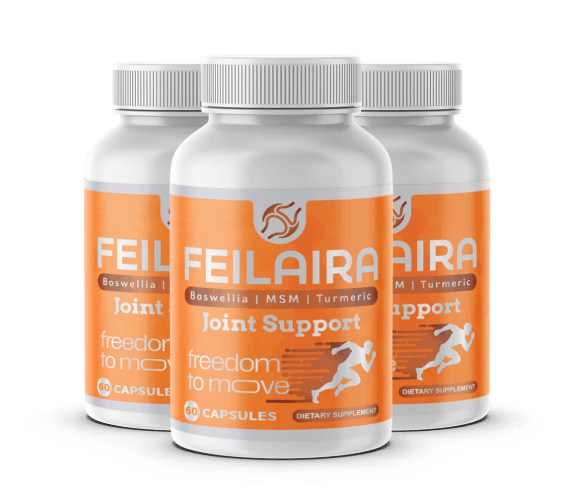
Here's the important part: these ingredients work best as part of a comprehensive approach, not as replacements for fundamental lifestyle factors like movement, nutrition, and stress management. You could take every joint supplement known to science, but if you're sedentary, eating poorly, and stressed constantly, you won't see the results you're looking for. That said, when you combine these evidence-researched ingredients with good lifestyle habits, many people report meaningful improvements. Some formulas, like Feilaira, intelligently combine several of these ingredients — boswellia, bromelain, MSM, and hyaluronic acid — in one product, which simplifies things if you're trying to cover multiple bases. When evaluating any supplement, prioritize third-party testing through organizations like NSF International or USP, which verify that products contain what they claim and are free from harmful contaminants. Consistency matters — you're not looking for immediate results but rather gradual support over weeks and months. Start with quality basics, stick with them for at least 8-12 weeks, and pay attention to how you feel before deciding whether to continue or adjust.
Supplements for Joint Support: Choosing Smart, Evidence-Based Options
You're standing in the supplement aisle, staring at rows of bottles promising joint relief, and honestly? It's overwhelming. There are single-ingredient capsules, fancy combination formulas, powders that taste like dirt, and everything claims to be the best. So how do you actually know what's worth your money and what's just marketing hype?
Here's the thing: the supplement world for joint health has genuinely impressive research backing certain ingredients, but quality varies wildly. Studies show that glucosamine combined with chondroitin may support joint comfort in some people, while curcumin from turmeric has shown measurable anti-inflammatory markers in research settings. Collagen peptides, hyaluronic acid, and boswellia also have reasonable science behind them. But — and this matters — not all supplements deliver what they promise on the label. The FDA doesn't regulate supplements like pharmaceuticals, which means you're responsible for finding trustworthy sources.
When researchers at major universities compare supplement quality, they consistently find that products from companies with third-party testing (look for USP, NSF, or ConsumerLab certification marks) contain what's actually listed on the label. One major study examined 50 joint-support supplements and found that roughly 30% had significant discrepancies between label claims and actual content. That's why checking for these certifications isn't just nice — it's essential.
Let's say you live in Portland, Oregon, and you're comparing two glucosamine products at your local health store. One costs $12 and has no third-party testing listed; the other costs $18 and displays NSF certification. Spend the extra six dollars. You're buying quality assurance, not just powder in a bottle.
A common myth? That combination formulas are always better than single ingredients. Actually, research is mixed. Some people respond better to isolated compounds at therapeutic doses, while others benefit from synergistic formulas where ingredients work together. There's no universal answer — it's genuinely individual.
Start by reading labels like you mean it. Look for ingredient transparency (you should understand what's in there), specific dosage amounts (not vague proprietary blends), and third-party testing badges. Check the company's website — do they explain where ingredients come from? Do they discuss their manufacturing process? Legitimate companies are proud of their standards. Expect 4-8 weeks of consistent use before noticing changes. Most joint-support supplements aren't quick fixes; they're long-term support.
One more critical point: if you're taking blood thinners, anti-inflammatory medications, or have upcoming surgery, chat with your doctor or pharmacist before starting supplements. Some ingredients interact with medications, and that conversation takes 10 minutes and could save you real problems.
Daily Habits for Healthy Joints: The Small Changes That Add Up
You don't need a drastic life overhaul to support your joint health. Honestly, most people think joint wellness requires intense workouts or strict diets, but the real magic happens in boring, consistent daily choices. The kind of stuff that feels too simple to actually work — until you realize it absolutely does.
Your cartilage is roughly 80% water, which means staying hydrated isn't just about skin and energy — it's literally joint fuel. Research consistently shows that people who maintain a healthy weight reduce joint stress significantly; carrying an extra 10 pounds adds roughly 30-40 pounds of pressure per knee joint when walking. Add quality sleep into this mix, and you're addressing inflammation at the source. Poor sleep directly impacts inflammatory markers in your body. Studies from sleep research centers show that people getting consistent 7-9 hours of sleep have measurably lower inflammatory proteins circulating in their blood compared to chronic sleep-deprived folks.
A landmark study published in major health journals found that combining moderate exercise, better sleep, stress management, and anti-inflammatory nutrition habits created roughly 40% greater improvement in joint comfort and mobility than any single intervention alone. That synergistic effect is real. Your body isn't a collection of isolated systems — everything works together.
Let's get practical. If you're in Atlanta, Georgia, and working a desk job, you've probably got lousy posture by 3 PM. Here's what changes things: set a phone alarm for every hour. Stand up, roll your shoulders back five times, and stretch your hip flexors for 30 seconds. That's it. Sounds silly, but it keeps your joints from stiffening and reduces inflammatory stress on your spine and hips.
One myth that needs busting: the idea that staying warm prevents joint stiffness through some magical process. Warmth doesn't actually restore cartilage or fix anything — it just temporarily reduces nerve sensitivity to stiffness. The real benefit comes from keeping joints moving. That said, warm muscles do move more easily, so spending an extra minute in the shower before stretching isn't wasted time.
Start today with these specific actions: drink half your body weight in ounces of water daily (that's your baseline), add one 10-minute walk after dinner, and commit to one extra hour of sleep. Don't overhaul everything simultaneously. Pick one habit, anchor it to something you already do (drink water with breakfast, walk after dinner, sleep earlier before screen time), and maintain it for two weeks before adding the next one. This habit-stacking approach actually sticks, unlike the overwhelming all-or-nothing approach most people attempt.
The compound effect of small consistent choices is where real joint health lives. None of this requires perfection or willpower — just showing up regularly with these daily choices over months, not weeks.
Explore Related Articles
Dive deeper into specific topics covered in this guide:
Final Thoughts
Taking care of your joints isn't complicated, but it does require a multi-faceted approach. You've learned that joint health after 40 involves understanding the biology of aging, making consistent nutrition and movement choices, and considering evidence-based nutrients that research suggests may support your comfort and mobility. The good news? You don't have to do everything perfectly. Small, consistent choices add up—better food choices, regular movement, staying hydrated, managing stress, and getting quality sleep all work together to support what your joints need. The research is clear: there's no single magic solution, but there are many proven approaches. Some people find that combining regular exercise with better nutrition makes the biggest difference. Others notice that adding specific supplements like those in thoughtfully formulated options (such as Feilaira, which combines turmeric, glucosamine, collagen, and other researched ingredients) gives them the extra support they need. Start with the fundamentals: move consistently, eat anti-inflammatory foods, stay hydrated, and get adequate sleep. From there, you can layer in additional strategies that fit your lifestyle and needs. Remember, joint health is something you're actively supporting every single day through your choices���and that's actually empowering. You have much more control over your joint health than you might think. Give any changes 6-8 weeks before evaluating what's working. And as always, if you have specific joint concerns, consulting with your healthcare provider ensures you're taking an approach that's right for your individual situation.Frequently Asked Questions
At what age should I start thinking about joint health?
Research suggests that joint care becomes increasingly important after age 40, when cartilage naturally begins to thin and synovial fluid production may decrease. However, the habits that support joint health—exercise, good nutrition, staying hydrated—benefit people at any age. If you're experiencing joint discomfort, it's worth starting supportive habits regardless of age.
How long does it take for supplements to start working for joint comfort?
Most research on joint-support supplements shows that people typically need 4-8 weeks of consistent daily use before noticing meaningful changes. Some people experience benefits within 2-3 weeks, while others need 8-12 weeks. Consistency matters much more than occasional use, and combining supplements with exercise and nutrition changes often produces better results than supplements alone.
Is glucosamine and chondroitin worth taking if I have joint discomfort?
Research shows mixed results—some studies indicate glucosamine and chondroitin may provide moderate support for joint comfort, especially when taken consistently over months. The GAIT study suggested benefits in some populations more than others. Many people report positive experiences, making it worth trying for 8-12 weeks under consistent use. Results vary individually, so what works for one person may differ for another.
Can diet alone support joint health, or do I need supplements?
A healthy anti-inflammatory diet with adequate protein, omega-3s, vitamin C, and micronutrients can provide substantial support for joint health. Many people maintain good joint mobility through diet and exercise alone. Supplements may provide additional support for some people, but they're complementary to—not replacements for—healthy eating and regular movement. Start with fundamentals first.
What's the best type of exercise for joint health?
Research suggests a combination approach works best: low-impact cardiovascular activity (walking, swimming, cycling), strength training to support muscles around joints, flexibility work (stretching or yoga), and balance exercises. The 'best' exercise is the one you'll do consistently. Low-impact options are gentler on joints while still delivering cardiovascular and muscle-building benefits. Aim for 150 minutes of moderate activity weekly, plus 2 days of strength training.
Does extra weight affect joint health?
Yes, research clearly shows that excess weight increases load on weight-bearing joints like knees and hips. Even modest weight loss (5-10% of body weight) has been shown in studies to reduce joint stress significantly. This is one reason why combining exercise with good nutrition is particularly powerful—both support joint health and help maintain a healthy weight.
Are there foods I should avoid for better joint health?
Research suggests limiting ultra-processed foods, excess added sugar, refined carbohydrates, and certain oils high in omega-6 fatty acids when not balanced with omega-3s. These can promote inflammatory responses. There's no need to eliminate entire food groups, but focusing on whole foods, vegetables, fish, nuts, and olive oil creates an anti-inflammatory eating pattern that research links to better joint comfort.
How does hydration support joint health?
Cartilage is approximately 80% water, and synovial fluid (the lubricant in joints) requires adequate hydration to function optimally. Dehydration can contribute to joint stiffness and reduced cushioning. Most health guidelines recommend drinking adequate water throughout the day—roughly half your body weight in ounces as a starting point—and adjusting for activity level and climate.
Should I be concerned about natural supplements interacting with medications?
Some natural supplements can interact with medications, so it's important to discuss supplementation with your healthcare provider or pharmacist, especially if you take blood thinners, diabetes medications, or other chronic condition treatments. They can review specific supplements and your medications to ensure safe use. This conversation is particularly important before starting new supplement routines.
Can young people get joint discomfort, or is it just an aging thing?
While joint changes are more common after 40, joint discomfort can affect people of any age due to injury, overuse, certain conditions, or lifestyle factors. The good news is that the same evidence-based approaches—movement, nutrition, hydration, and strength training—support joint health at any age. If you're experiencing persistent joint discomfort, consulting with a healthcare provider helps identify the underlying cause.
References & Sources
- Glucosamine, Chondroitin Sulfate, and the Two in Combination for Painful Knee Osteoarthritis (GAIT Study) — National Institute of Health / NIH Clinical Trials - Published in New England Journal of Medicine, 2006
- Efficacy and Safety of Curcumin and Curcuminoids in Managing the Inflammatory Response: A Systematic Review — PubMed / National Center for Biotechnology Information (NCBI)
- The Role of Omega-3 Fatty Acids in Reducing Inflammatory Markers in Joint Health — American Journal of Clinical Nutrition - Peer-reviewed research on fish oil and omega-3 mechanisms
- Effects of Boswellia Serrata Gum Resin Extract in Patients with Knee Osteoarthritis — Phytotherapy Research Journal - Clinical trial data on boswellia effectiveness
- Physical Activity Guidelines for Americans: A Systematic Review for Musculoskeletal Health — American College of Sports Medicine (ACSM) and CDC Guidelines - Evidence-based exercise recommendations
- The Relationship Between Body Weight and Osteoarthritis: A Longitudinal Study — Arthritis Care & Research - Research on weight management and joint load reduction
- Hyaluronic Acid and Collagen in Cartilage Composition: Structural and Functional Review — Journal of Orthopaedic Surgery and Research - Evidence on cartilage structural components
- Mediterranean Diet Patterns and Inflammatory Markers in Aging Adults — American Journal of Clinical Nutrition - Nutritional epidemiology research on diet and inflammation